CPS LEARNING
  • Our Vision
  • 2013 tpl
    • Numeracy Professional Learning Term 2 2013
      • Open-ended Questioning in Mathematics
        • Reflection on Open-ended Questioning
        • Instructional Rounds Term 3 2013
          • SDD Term 3
            • The Instructional Core
            • A Theory of Action
            • A Problem of Practice
            • The Roles
            • The Process of Rounds
            • Practising the skills
            • Where to next?
          • Instructional Rounds 1
      • Newman's Error Analysis
        • Reflections on Newman's Error Analysis
      • Problem Solving Strategies
        • Reflection on Problem-Solving Strategies
      • Student Reflection - Building Understanding
        • Reflection on Incorporating Student Reflection
        • Numeracy Professional Learning Term 3 2013
          • Essential Questions
            • Reflection on Essential Questions
          • Tools for Questioning
            • Questioning Self-assessment
            • Investigating tools for scaffolding student questions
            • Reflection on Tools for questioning
          • Reflecting on the 'Theory of Action'.
      • Instructional Rounds Term 4 2013
      • Numeracy Professional Learning Term 4
        • Assessment As Learning
          • Reflection on Assessment As Learning
          • Writing Learning Objectives
  • 2014 tpl
    • Professional Learning Term 1 2014
    • Instructional Rounds Wk 5 Term 1
    • Instructional Rounds Week 6 Term 2
    • Round 2 - Term 2
    • TPL Term 3 2014
      • Calendar
      • Instructional Rounds Term 3 2014
    • SDD Term 4 2014 - PBL and FLS
      • Project Based Learning
      • Flexible Learning Spaces
  • 2015 tpl
    • Instructional Rounds Term 2
    • Introducing Instructional rounds
      • The Instructional Core
      • A Theory of Action
      • A Problem of Practice
      • The Roles
      • The Process of Rounds
      • Practising the skills
      • Where to next?
  • 2016 tpl
    • Instructional Rounds 2016
      • What are instructional rounds?
      • A problem of practice
      • Doing Instructional Rounds
      • Learning from Instructional Rounds
      • A theory of action
      • Taking Action
        • Assessment and PBL Time
        • Planning a culminating event
        • Student voice and teacher direction
        • Scaffolding learning in PBL
        • Term 4 Rounds Reflection and Theory of Action
  • 2017 tpl
    • Planning Assessment in PBL
    • STEM/Tech TPL Term 2 2017
    • SDD Term 2 2017
    • Instructional Rounds 2017
    • SDD Term 3 2017
  • 2018 tpl
    • Term 1 2018
      • SDD Term 1 2018
      • TPL Week 1
      • TPL Week 3
    • Term 2 2018
      • Instructional Rounds Term 2
    • Term 3 2018
      • Whole School Mathematics Assessment and Moderation
      • Effective Questioning during mathematics lessons
  • 2019 tpl
    • Instructional rounds 2019
      • Term 1
  • 2020 tpl
    • SDD slides: School culture and vision
      • What underpins our vision?
        • Restorative Practices
        • Student Voice
        • Intrinsic Motivation
        • The role of the teacher
        • Project-Based Learning
    • Mathematics Project
      • Number Talks
    • Lesson Study Approach
      • AITSL - Lesson Study
      • Assessment Practices
        • Formative Assessment
          • Trialing formative assessment strategies
      • Lesson Study at CPS
    • High Potential and Gifted Education
    • Strategic Improvement Plan
  • 2021 tpl
    • Camdenville's Culture and Shared Vision
    • Individual Education Plans
    • Professional Development Plans
    • Three-Way Conferences
    • Instructional Rounds
      • The IR Process
      • Observations
      • Problem of Practice
      • Debriefing and the next level of work
      • Actioning next steps
        • School Development Day T3 2021
    • SDD T3 for SLSOs
    • Learning From Home
      • Zoom
      • Number Talks
      • Evidence-Based Practice for Teaching Reading
    • Assessment - Return to School
      • Phonological awareness diagnostic assessment
      • Interview for Student Reasoning (IfSR)
  • 2022 tpl
    • Inclusive Education for students with disability and IEPs
    • Project-Based Learning
      • Need to Knows
      • SC / Products / experts
    • Instructional Rounds
      • Observations
      • Problem of Practice
      • Debriefing and the next level of work
      • Actioning next steps
        • formative assessment strategies
  • 2023 pl
    • T1 School Development Days
    • Creating a Classroom Community
    • instructional rounds
      • problem of practice
      • debriefing and the next level of work
  • 2024 pl
    • bill rogers
    • 2024 Differentiated TPL
    • AITSL Self Assessment
    • Reading Assessment
    • writing moderating
  • 2025 pl
    • Performance and Development (PDPs)
    • Report Writing
  • Our Vision
  • 2013 tpl
    • Numeracy Professional Learning Term 2 2013
      • Open-ended Questioning in Mathematics
        • Reflection on Open-ended Questioning
        • Instructional Rounds Term 3 2013
          • SDD Term 3
            • The Instructional Core
            • A Theory of Action
            • A Problem of Practice
            • The Roles
            • The Process of Rounds
            • Practising the skills
            • Where to next?
          • Instructional Rounds 1
      • Newman's Error Analysis
        • Reflections on Newman's Error Analysis
      • Problem Solving Strategies
        • Reflection on Problem-Solving Strategies
      • Student Reflection - Building Understanding
        • Reflection on Incorporating Student Reflection
        • Numeracy Professional Learning Term 3 2013
          • Essential Questions
            • Reflection on Essential Questions
          • Tools for Questioning
            • Questioning Self-assessment
            • Investigating tools for scaffolding student questions
            • Reflection on Tools for questioning
          • Reflecting on the 'Theory of Action'.
      • Instructional Rounds Term 4 2013
      • Numeracy Professional Learning Term 4
        • Assessment As Learning
          • Reflection on Assessment As Learning
          • Writing Learning Objectives
  • 2014 tpl
    • Professional Learning Term 1 2014
    • Instructional Rounds Wk 5 Term 1
    • Instructional Rounds Week 6 Term 2
    • Round 2 - Term 2
    • TPL Term 3 2014
      • Calendar
      • Instructional Rounds Term 3 2014
    • SDD Term 4 2014 - PBL and FLS
      • Project Based Learning
      • Flexible Learning Spaces
  • 2015 tpl
    • Instructional Rounds Term 2
    • Introducing Instructional rounds
      • The Instructional Core
      • A Theory of Action
      • A Problem of Practice
      • The Roles
      • The Process of Rounds
      • Practising the skills
      • Where to next?
  • 2016 tpl
    • Instructional Rounds 2016
      • What are instructional rounds?
      • A problem of practice
      • Doing Instructional Rounds
      • Learning from Instructional Rounds
      • A theory of action
      • Taking Action
        • Assessment and PBL Time
        • Planning a culminating event
        • Student voice and teacher direction
        • Scaffolding learning in PBL
        • Term 4 Rounds Reflection and Theory of Action
  • 2017 tpl
    • Planning Assessment in PBL
    • STEM/Tech TPL Term 2 2017
    • SDD Term 2 2017
    • Instructional Rounds 2017
    • SDD Term 3 2017
  • 2018 tpl
    • Term 1 2018
      • SDD Term 1 2018
      • TPL Week 1
      • TPL Week 3
    • Term 2 2018
      • Instructional Rounds Term 2
    • Term 3 2018
      • Whole School Mathematics Assessment and Moderation
      • Effective Questioning during mathematics lessons
  • 2019 tpl
    • Instructional rounds 2019
      • Term 1
  • 2020 tpl
    • SDD slides: School culture and vision
      • What underpins our vision?
        • Restorative Practices
        • Student Voice
        • Intrinsic Motivation
        • The role of the teacher
        • Project-Based Learning
    • Mathematics Project
      • Number Talks
    • Lesson Study Approach
      • AITSL - Lesson Study
      • Assessment Practices
        • Formative Assessment
          • Trialing formative assessment strategies
      • Lesson Study at CPS
    • High Potential and Gifted Education
    • Strategic Improvement Plan
  • 2021 tpl
    • Camdenville's Culture and Shared Vision
    • Individual Education Plans
    • Professional Development Plans
    • Three-Way Conferences
    • Instructional Rounds
      • The IR Process
      • Observations
      • Problem of Practice
      • Debriefing and the next level of work
      • Actioning next steps
        • School Development Day T3 2021
    • SDD T3 for SLSOs
    • Learning From Home
      • Zoom
      • Number Talks
      • Evidence-Based Practice for Teaching Reading
    • Assessment - Return to School
      • Phonological awareness diagnostic assessment
      • Interview for Student Reasoning (IfSR)
  • 2022 tpl
    • Inclusive Education for students with disability and IEPs
    • Project-Based Learning
      • Need to Knows
      • SC / Products / experts
    • Instructional Rounds
      • Observations
      • Problem of Practice
      • Debriefing and the next level of work
      • Actioning next steps
        • formative assessment strategies
  • 2023 pl
    • T1 School Development Days
    • Creating a Classroom Community
    • instructional rounds
      • problem of practice
      • debriefing and the next level of work
  • 2024 pl
    • bill rogers
    • 2024 Differentiated TPL
    • AITSL Self Assessment
    • Reading Assessment
    • writing moderating
  • 2025 pl
    • Performance and Development (PDPs)
    • Report Writing

STEM and technology tpl
term 2 2017


STEM Symposium Feedback
Setting the scene: 
- National STEM Education Strategy 
Blended Learning:
www.edutopia.org/article/are-we-innovating-or-just-digitizing-traditional-teaching-beth-holland

Key take aways: 
- Not just digitalising traditional teaching 
- Screencasting -  can we explore this?
- Change of pedagogy is critical when integrating ICT


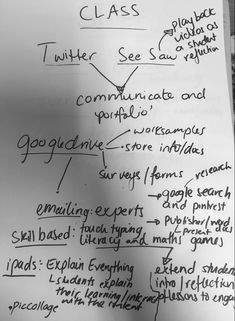
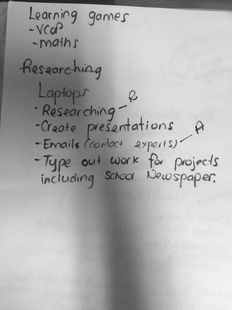
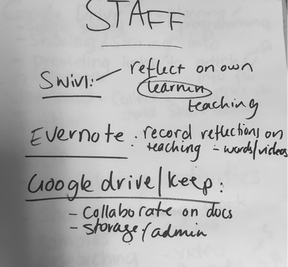
How are we using technology at CPS?
Picture
Picture
Picture
Picture
SAMR Model
Substitution
Augmentation

Modification
Redefinition


SAMR Examples

---

For Week 7 use the evaluative thinking toolkit to bring and share three examples of students using technology. Where do these fit on the SAMR Model? Consider...

What can we do with and without technology?

How could we use technology to support formative assessment?


---

Exit Slips for Technology - What do you N2K?

​Food for Thought: Leading Voices Jan Owen AM
DoE’s new technology website: https://education.nsw.gov.au/technology
DoE Stem website: http://www.stem-nsw.com.au/

Powered by Create your own unique website with customizable templates.
  • Our Vision
  • 2013 tpl
    • Numeracy Professional Learning Term 2 2013
      • Open-ended Questioning in Mathematics
        • Reflection on Open-ended Questioning
        • Instructional Rounds Term 3 2013
          • SDD Term 3
            • The Instructional Core
            • A Theory of Action
            • A Problem of Practice
            • The Roles
            • The Process of Rounds
            • Practising the skills
            • Where to next?
          • Instructional Rounds 1
      • Newman's Error Analysis
        • Reflections on Newman's Error Analysis
      • Problem Solving Strategies
        • Reflection on Problem-Solving Strategies
      • Student Reflection - Building Understanding
        • Reflection on Incorporating Student Reflection
        • Numeracy Professional Learning Term 3 2013
          • Essential Questions
            • Reflection on Essential Questions
          • Tools for Questioning
            • Questioning Self-assessment
            • Investigating tools for scaffolding student questions
            • Reflection on Tools for questioning
          • Reflecting on the 'Theory of Action'.
      • Instructional Rounds Term 4 2013
      • Numeracy Professional Learning Term 4
        • Assessment As Learning
          • Reflection on Assessment As Learning
          • Writing Learning Objectives
  • 2014 tpl
    • Professional Learning Term 1 2014
    • Instructional Rounds Wk 5 Term 1
    • Instructional Rounds Week 6 Term 2
    • Round 2 - Term 2
    • TPL Term 3 2014
      • Calendar
      • Instructional Rounds Term 3 2014
    • SDD Term 4 2014 - PBL and FLS
      • Project Based Learning
      • Flexible Learning Spaces
  • 2015 tpl
    • Instructional Rounds Term 2
    • Introducing Instructional rounds
      • The Instructional Core
      • A Theory of Action
      • A Problem of Practice
      • The Roles
      • The Process of Rounds
      • Practising the skills
      • Where to next?
  • 2016 tpl
    • Instructional Rounds 2016
      • What are instructional rounds?
      • A problem of practice
      • Doing Instructional Rounds
      • Learning from Instructional Rounds
      • A theory of action
      • Taking Action
        • Assessment and PBL Time
        • Planning a culminating event
        • Student voice and teacher direction
        • Scaffolding learning in PBL
        • Term 4 Rounds Reflection and Theory of Action
  • 2017 tpl
    • Planning Assessment in PBL
    • STEM/Tech TPL Term 2 2017
    • SDD Term 2 2017
    • Instructional Rounds 2017
    • SDD Term 3 2017
  • 2018 tpl
    • Term 1 2018
      • SDD Term 1 2018
      • TPL Week 1
      • TPL Week 3
    • Term 2 2018
      • Instructional Rounds Term 2
    • Term 3 2018
      • Whole School Mathematics Assessment and Moderation
      • Effective Questioning during mathematics lessons
  • 2019 tpl
    • Instructional rounds 2019
      • Term 1
  • 2020 tpl
    • SDD slides: School culture and vision
      • What underpins our vision?
        • Restorative Practices
        • Student Voice
        • Intrinsic Motivation
        • The role of the teacher
        • Project-Based Learning
    • Mathematics Project
      • Number Talks
    • Lesson Study Approach
      • AITSL - Lesson Study
      • Assessment Practices
        • Formative Assessment
          • Trialing formative assessment strategies
      • Lesson Study at CPS
    • High Potential and Gifted Education
    • Strategic Improvement Plan
  • 2021 tpl
    • Camdenville's Culture and Shared Vision
    • Individual Education Plans
    • Professional Development Plans
    • Three-Way Conferences
    • Instructional Rounds
      • The IR Process
      • Observations
      • Problem of Practice
      • Debriefing and the next level of work
      • Actioning next steps
        • School Development Day T3 2021
    • SDD T3 for SLSOs
    • Learning From Home
      • Zoom
      • Number Talks
      • Evidence-Based Practice for Teaching Reading
    • Assessment - Return to School
      • Phonological awareness diagnostic assessment
      • Interview for Student Reasoning (IfSR)
  • 2022 tpl
    • Inclusive Education for students with disability and IEPs
    • Project-Based Learning
      • Need to Knows
      • SC / Products / experts
    • Instructional Rounds
      • Observations
      • Problem of Practice
      • Debriefing and the next level of work
      • Actioning next steps
        • formative assessment strategies
  • 2023 pl
    • T1 School Development Days
    • Creating a Classroom Community
    • instructional rounds
      • problem of practice
      • debriefing and the next level of work
  • 2024 pl
    • bill rogers
    • 2024 Differentiated TPL
    • AITSL Self Assessment
    • Reading Assessment
    • writing moderating
  • 2025 pl
    • Performance and Development (PDPs)
    • Report Writing